














Bankruptcy Laws
Among the many debt relief options available to consumers and business owners, bankruptcy and bankruptcy laws raise the most concern and cause the most anxiety - and for good reason. The term "bankruptcy" itself evokes fear that one may lose everything after they file and end up living on the streets. Adding to the stress is finding accurate and reliable bankruptcy information, which can be quite a challenge for some people, possibly even for you.
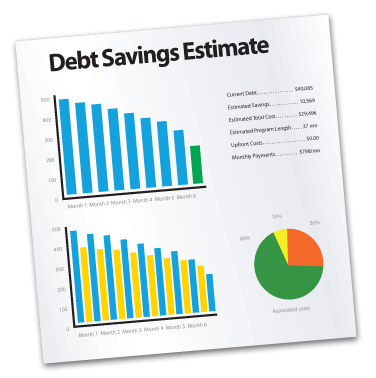
To review debt relief alternatives to bankruptcy in Florida and to get a free debt relief analysis and savings estimate, simply answer a few online questions. It's free and there's no obligation.
In this easy-to-follow guide, we have provided you with some basic information regarding bankruptcy laws including the differences between Chapter 7, Chapter 13, and Chapter 11 bankruptcy. Of course, you can go through the process of filing personal bankruptcy on your own, however, we find that getting expert help can make the experience less traumatic and eliminate any potential errors particularly when your financial circumstances are more complicated, say, it involves a possible foreclosure.
The federal laws governing each type of bankruptcy case differ in many areas. When you file for Chapter 7 bankruptcy, or what's more commonly known as straight bankruptcy, you may be allowed to keep your assets that are considered exempt, while the court liquidates your remaining non-exempt assets and the proceeds distributed to your creditors and lenders. Once your eligible assets have been sold off and your creditors are paid off, you will be relieved of your debt obligations. In some cases, people who have regular income and are able to pay off all or a portion of their debts may be eligible to file for Chapter 13 bankruptcy, which requires debtors to pay off their debts through a court-approved repayment plan that usually lasts three to five years. In a Chapter 13 bankruptcy case, you may get to retain certain exempt assets, like your car or house, which you might otherwise lose through the bankruptcy process. What's considered exempt vs. non-exempt property varies depending on your state, so make sure you refer to your state's bankruptcy laws to find out what you are able to keep and what you need to give up.
For a review of debt relief alternatives to bankruptcy in Florida and to get a free debt relief analysis and savings estimate, simply answer a few questions online.
For many people burdened by mounting credit card bills and other unsecured debt that they are unable to pay off in a reasonable amount of time, filing bankruptcy may be a viable option and might even give them a fresh start. The first step in the process is to pass the means test. Known as the Bankruptcy Abuse Prevention and Consumer Protection Act, this amendment to the bankruptcy code determines if an individual has the ability to make payment on the debt or not. The means test compares your monthly income against the state's median family income for a family your size. If your income exceeds the state's median income, you may not be eligible to file bankruptcy. Once you pass the means test, there are several things you can do to ensure that the process goes on smoothly. Remember to gather and make copies of all the necessary forms when filing your bankruptcy petition forms like a record of your assets and liabilities, copy of your current tax return, stubs, deeds, automobile titles, your current income, or a statement that you received credit counseling from a government-sanctioned organization within six months before you filed. We can give you more details about companies that specialize in helping consumers like you explore all their debt reduction options, including filing personal bankruptcy.
On the flip side, if you are a business owner struggling to pay your creditors and lenders, a slightly different set of corporate bankruptcy laws may apply.
To review debt relief alternatives to bankruptcy in Florida and to get a free debt relief analysis and savings estimate, simply answer a few online questions. It's free and there's no obligation.